
Hazing is not harmless: a safety and legal failure in modern workplaces

Jarrod McRae v Jetstar Airways Pty Limited [2026] FWC 1122
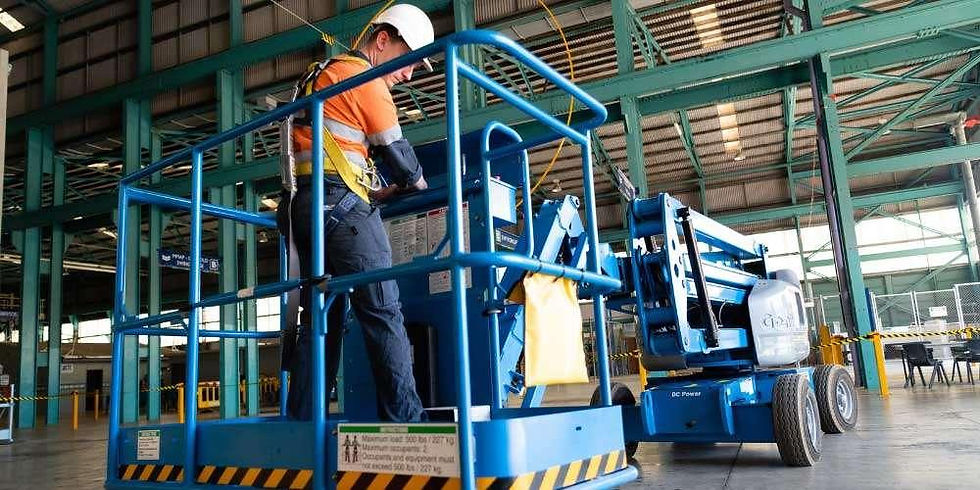
A recent decision of the Fair Work Commission reinforces a critical shift in workplace standards: hazing, “horseplay”, and informal discipline are no longer culturally tolerated, they are safety breaches with legal consequences.
In this case, a highly experienced aircraft maintenance engineer with 23 years’ tenure was dismissed after engaging in unsafe conduct involving apprentices working at height.
The incident: when “horseplay” becomes a hazard
Two apprentices were working from an elevating work platform (EWP) approximately six metres above ground level.
A senior worker on the ground:
Activated the emergency stop button, disabling the EWP
Told the apprentices he was going to lunch
Left them stranded at height for approximately 10 minutes
Took no steps to ensure safe descent or supervision.
The apprentices were eventually lowered by another worker entering the area.
The senior worker attempted to justify the conduct as:
A response to perceived underperformance
A way to “teach a lesson” without shouting
An accidental oversight (claiming he forgot to reset the EWP)
The Commission rejected this explanation.
Key legal findings
Deputy President Clancy made several clear and instructive findings:
1. Valid reason for dismissal
The conduct constituted:
A breach of a cardinal safety rule (no horseplay/practical jokes)
Reckless behaviour in a safety critical environment
Exposure of workers to foreseeable risk of harm.
This provided a valid reason for dismissal.
2. Safety risk overrides intent
The worker argued no real danger existed because:
Experienced workers often spend long periods at height.
The Commission rejected this, emphasising:
Risk is assessed objectively, not by the perpetrator’s experience
Apprentices lacked the same confidence, control, and situational awareness
They were left in an “invidious position”, without control or safe exit.
3. Hazing culture is not a defence
The worker relied on:
“This is how it was done in the old days”
Cultural norms of apprenticeship “toughening”.
The Commission was unequivocal:
Such conduct reflects a declining and unacceptable minority view
Historical practices do not legitimise current behaviour.
4. Broader conduct: inappropriate but not determinative
Additional behaviours included:
Derogatory comments (“you are all pussies now”)
Descriptions of past abusive apprentice treatment.
These:
Demonstrated poor judgement and failure to read the room
Supported a pattern of behaviour
But alone would not have justified dismissal.
Why this matters
This decision is not just about misconduct, it reflects convergence between WHS law, psychosocial safety obligations, HR, and employment law.
1. Physical safety risk
The act created:
Loss of control over plant (EWP)
Entrapment risk at height
Potential for panic, error, or unsafe self-rescue.
Under Australian WHS frameworks:
This is a failure to ensure safe systems of work
And a breach of plant safety controls.
2. Psychosocial safety risk
The apprentice reported:
Feeling unsafe attending work
Fear of retaliation
Loss of trust in senior staff.
This aligns with psychosocial hazards including:
Bullying and harassment
Poor supervisory behaviour
Organisational justice failures.
3. Power imbalance failure
A critical feature:
Senior worker imposing “discipline” outside formal systems.
This bypasses:
Procedural fairness
Organisational controls
Leadership accountability.
Executive and Officer due diligence insights
For Boards and Officers, this case provides clear signals about what must be actively verified, not assumed.
Governance failures exposed
Informal cultural practices overriding formal rules
Lack of enforcement of “cardinal safety rules”
Inadequate supervision of experienced workers
Failure to detect early warning signs of behavioural drift.
Due diligence expectations
Officers should be able to demonstrate:
Clear prohibition of horseplay/hazing
Explicit in procedures and reinforced operationally
Verification of behavioural compliance
Not just safety metrics, but observed behaviours
Supervisor capability assurance
Training in performance management vs misconduct
Psychosocial risk monitoring
Mechanisms for apprentices/juniors to raise concerns safely
Response systems that act early
Intervention before escalation to dismissal-level events.
Leadership lesson: mentoring is not intimidation
The Commission made an important observation:
Apprentices benefit from exposure to experienced workers, but only when that relationship is constructive.
This case illustrates a failure to distinguish between:
Coaching → structured, respectful, capability-building
Hazing → coercive, unsafe, and often humiliating.
The worker:
Inserted himself repeatedly into the apprentice’s “orbit”
Became overbearing and antagonistic
Failed to recognise the apprentice’s discomfort.
Practical takeaways
1. Eliminate “legacy culture” risks
If phrases like:
“That’s how we were trained”
“It’s just a joke”
…still exist in your organisation, they are leading indicators of risk.
2. Treat horseplay as a system failure
Do not frame incidents as:
Individual misconduct only.
Instead assess:
Why the system allowed it
What controls are in place to prevent the behaviour
Where supervision and reinforcement failed.
3. Strengthen apprentice protections
Junior workers require:
Clear escalation pathways
Psychological safety to speak up
Active supervision, not passive reliance on senior workers.
4. Separate performance management from discipline
The worker attempted to:
Correct performance through unsafe behaviour.
This highlights the need for:
Formal, trained, and auditable performance processes.
HR procedures are critical controls for setting the tone and managing unacceptable behaviour.
Bottom line
This decision confirms a decisive shift:
Hazing is no longer cultural, it is a breach of safety law, organisational duty, and leadership accountability.
In safety critical environments, the tolerance for “informal discipline” is effectively zero.
Organisations that fail to recognise this are not just exposed to unfair dismissal claims they are exposed to serious WHS breaches, psychosocial harm, and governance failure.


Comments